
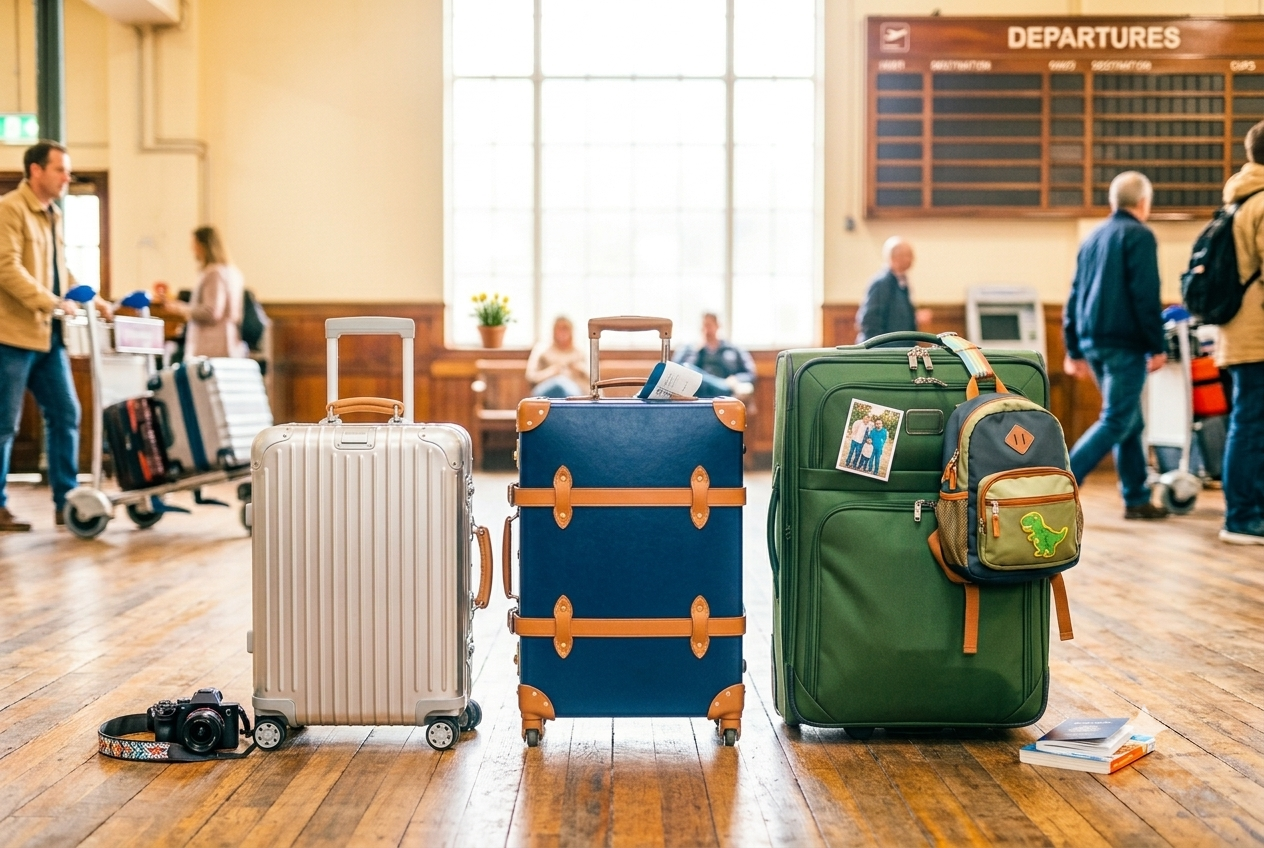
Last month, I stood in front of my open suitcase at 11 pm, packing for a trip I’d taken a hundred times before, and I stopped. Not because I forgot something — because I noticed how little I was putting in.
Ten years ago, this same bag would’ve fought its own zipper shut — three “just in case” outfits, a first-aid kit built for a small village, chargers for gadgets I didn’t even own yet. That night, there was space left over. Actual, visible, unapologetic empty space. And instead of feeling like I’d forgotten something, I felt strangely at peace with it.
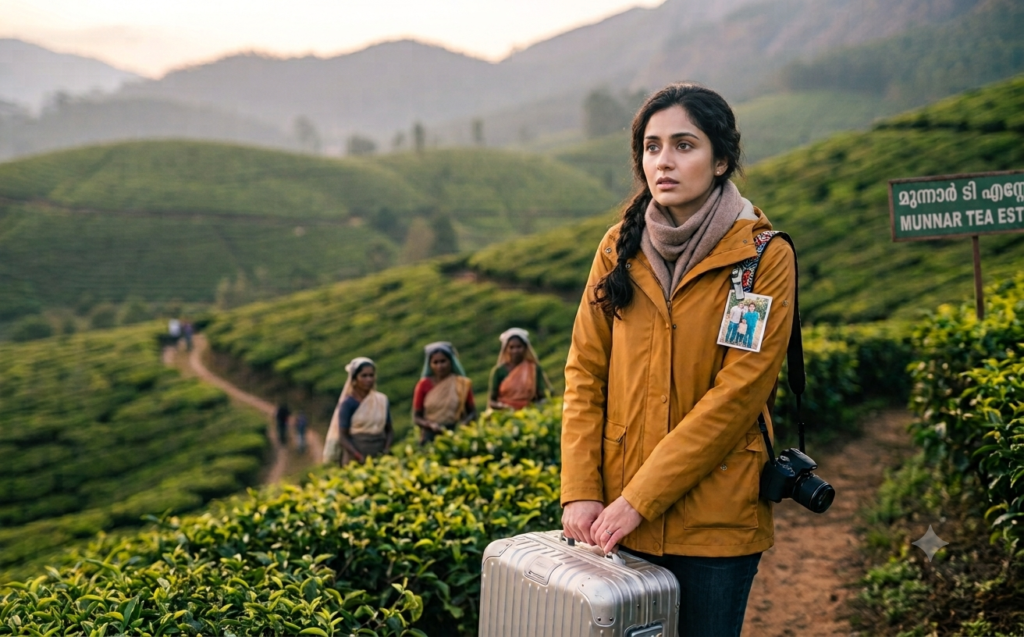
I remember exactly which trip did this to me. Munnar. Being a North Indian heading into deep South India for the first time, I’d built up this whole picture in my head — a completely different culture, different everything — and I was a little nervous walking in. So I overpacked. Extra layers I didn’t need, a whole separate bag of “just in case this doesn’t feel like home” items.
Then I got there, and none of that nervousness made any sense. The tea gardens, the warmth of the people, the little everyday comforts I didn’t expect to find — it all felt familiar in a way I hadn’t planned for. I came back having used maybe half of what I packed. The next time I packed a bag, there was room left over on purpose. Old me would’ve panicked at that empty space. That time, I just zipped it shut and let it be.
That’s when it hit me. I wasn’t just packing lighter. I was a different person than the one who used to pack that bag.
The suitcase isn’t about travel — it’s about what you’re carrying, what you’ve stopped carrying, and what you’re afraid to leave behind.
The Empty Space Is the Most Important Part
Not as advice. As an observation.
The biggest difference between the suitcase I packed at twenty-five and the one I pack today isn’t what’s inside. It’s the empty space. There was a time when every corner had to be filled — extra clothes, backup chargers, medicines for illnesses I didn’t have, shoes for events that would never happen. I wasn’t packing for the trip. I was packing against uncertainty.
Today I leave space on purpose. Not because I forgot something, but because I finally trust myself. If I need something, I’ll find it. If I don’t, I’ll survive. Empty space isn’t poor planning. It’s evidence that fear no longer gets the final vote.
Suitcases Reveal the Gap Between Identity and Reality
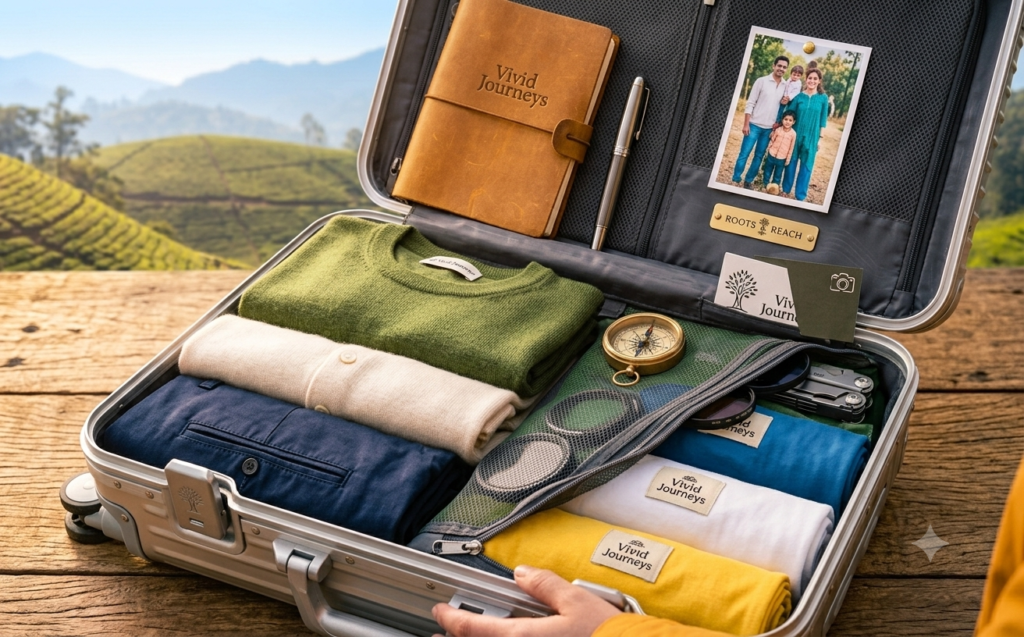
That’s when I noticed something even stranger. For years, I thought I was packing for the trip. I wasn’t. I was packing for people I hadn’t even met.
The clothes I carefully folded were never just clothes. They were quiet messages about who I hoped others would see when I arrived — the business traveler, the minimalist, the adventurer, the person who had life under control. A blazer that whispered “professional.” Shoes that suggested “put together.” An outfit saved for an occasion that might never happen, simply because I wanted to be ready for a version of myself someone else might notice.
My suitcase wasn’t reflecting my identity. It was advertising one. Long before social media gave us profiles to curate, I had already been curating myself — one carefully packed item at a time.
My Suitcase Has Slowly Fired People From My Life
For years, I packed as if my job was to make everyone else’s journey a little easier. Extra gifts. Extra favors. Extra pieces of myself. I packed things because I wanted people to like me.
Today, I pack boundaries instead. The suitcase changed because I changed. Not every journey requires me to carry what doesn’t belong to me. These days, the most valuable thing I remove from my suitcase isn’t a wasted item — it’s an expectation I no longer feel obligated to carry.
Every Suitcase Is a Collection of Futures That Never Happened
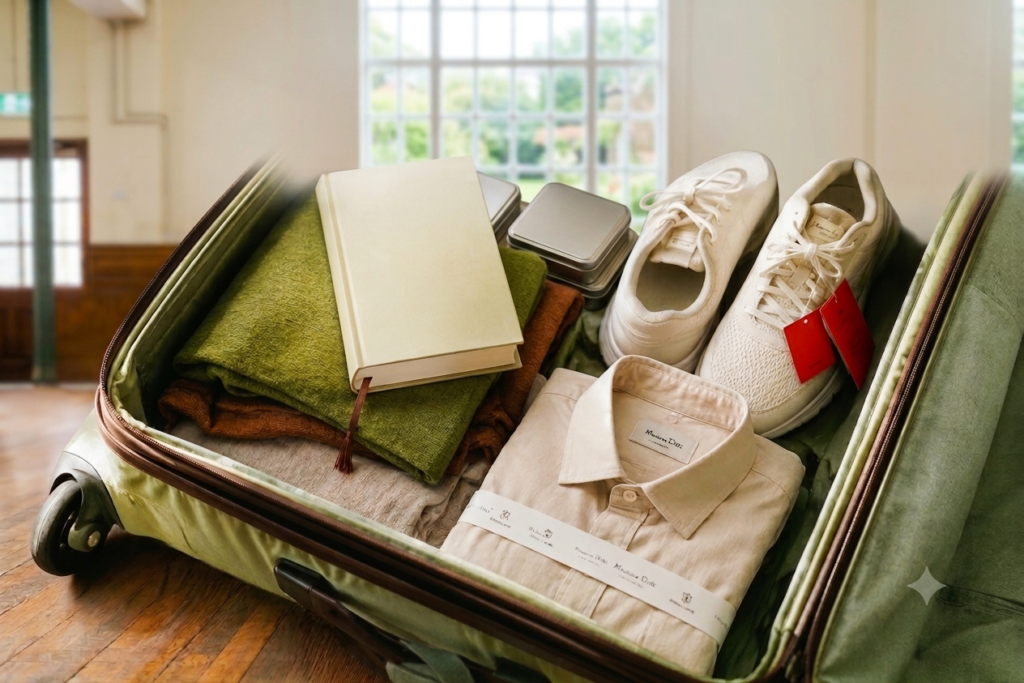
Every time I pack, I’m negotiating with a future I can’t predict. Packing has never really been about clothes — it’s about our relationship with uncertainty. The more we fear the unknown, the more we prepare for every version of it.
Every suitcase comes home carrying futures that never happened: the novel that stayed unopened, the running shoes that never touched the road, the shirt that never left its fold. At first these look unused. But they’re evidence of lives you imagined but never lived — the version of you who woke up early to run, who read quietly every evening, who dressed up for a dinner that never came.
Maybe that’s why unpacking feels emotional. You’re not just putting clothes away — you’re letting go of futures you thought might become real. And in that letting go, I noticed something else: every item I pack costs me something. Pack the extra shoes, and you give up space for the unexpected. Pack the laptop, and you carry work into moments meant for rest.
Nothing goes in for free. Life works the same way — every commitment replaces another. We think we’re deciding what to carry. Really, we’re deciding what we’re willing to leave behind.
The Most Valuable Thing in My Suitcase Costs Nothing
It’s not the passport. Not the laptop. Not the camera.
The most valuable thing I carry doesn’t take up any space. It’s the quiet confidence that wherever I land, I’ll find my way — that life doesn’t have to go exactly as planned for me to be okay. After enough journeys, you stop trusting your itinerary. You start trusting yourself. That’s the only thing worth packing that never adds a single ounce of weight.
So the next time you zip your suitcase shut, ask yourself what you’re really packing — the trip in front of you, or the fear you haven’t unpacked yet.
What’s the one thing that never leaves your suitcase, no matter where you’re going? Tell me in the comments — I have a feeling your answer says more about you than you think.
izfriotlnwmqlqngsdqmpdjedtyjzm